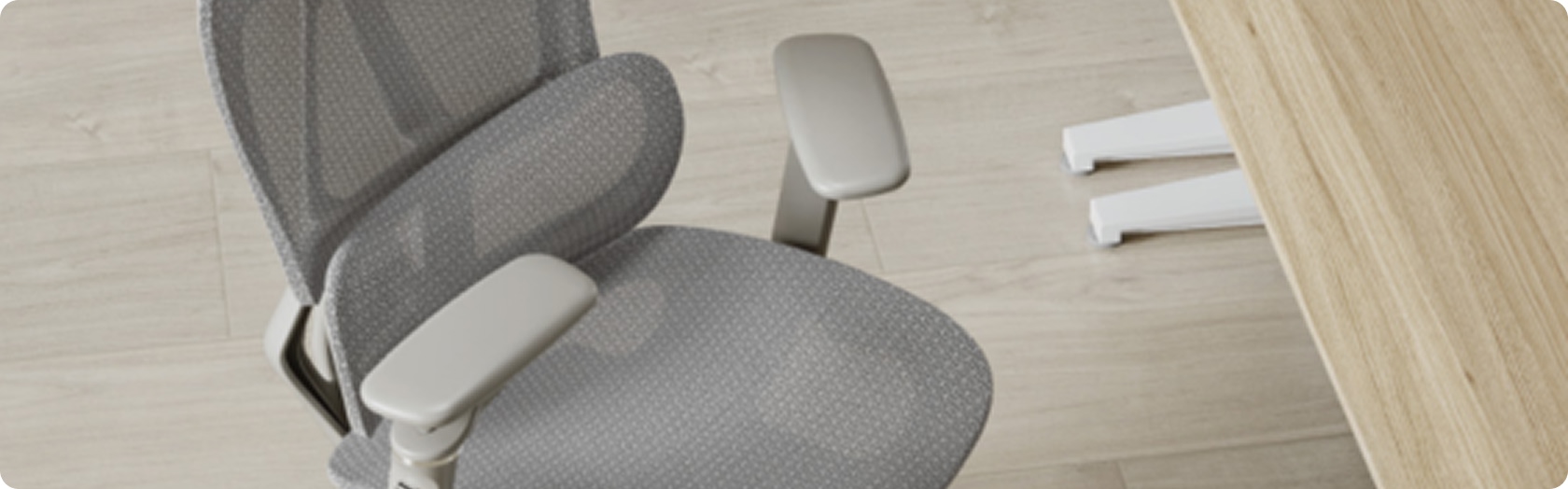

Understanding the Importance of a Proper Office Chair Setup
Before diving into the "how," it's crucial to understand the "why." An improperly adjusted or low-quality desk chair can cause or exacerbate back pain, neck strain, poor circulation, and fatigue. The right setup supports your spine's natural curve, promotes good posture, and distributes weight evenly. Investing time in optimizing your chair is an investment in your health, focus, and work performance. This is true whether you're using a standard model, a wide desk chair, or a luxurious custom office chair.
Step-by-Step: Adjusting Your Existing Office Chair for Maximum Comfort
Most office chairs, even basic ones, have several adjustment points. Let's optimize them.
1. Seat Height Adjustment
Your feet should rest flat on the floor with your thighs parallel to the ground and knees at roughly a 90-degree angle. If your feet dangle, use a footrest. This is the foundational setting for all other adjustments.
2. Seat Depth and Pan
There should be about 1-2 inches (a fist's width) between the back of your knees and the seat edge. A seat that's too long can cut off circulation; too short fails to support your thighs. Some chairs, including many office chair for home office models, offer a sliding seat pan for this.
3. Backrest Height and Lumbar Support
The backrest should cradle the natural curve of your spine. The lumbar support should fit into the inward curve of your lower back. If your chair lacks adequate support, a removable lumbar pillow is an affordable fix—a key tip for creating a cozy office chair feel.
4. Armrest Positioning
Adjust armrests so your shoulders are relaxed and your elbows form a 90-110 degree angle. They should gently support your forearms without causing you to hunch. If you have an armless office chair, ensure your desk height allows for this relaxed arm position to avoid shoulder strain.
5. Tilt Tension and Recline Function
The recline function isn't for lounging alone; it allows dynamic movement. Adjust the tilt tension so you can recline slightly (100-110 degrees) with minimal effort. This reduces disc pressure. An office chair recliner feature is excellent for incorporating micro-movements throughout the day.